Hall Moss Business Park
Bolton Rd, Darwen, BB3 2TT
07711 306605
Steve · bookings & enquiries
07543 129437
Adam · bookings & enquiries
For those searching for high quality Load Chain & Ratchet Binder Training we are the team for you. Here at Ribble Valley Training Centre, we provide some of the best Load Chain & Ratchet Binder Training in the field – and our Load Chain & Ratchet Binder Training courses are some of the most popular that we offer. Lasting from just ½ a day, this course covers everything that you need to know about Load Chain & Ratchet Binder and making sure that they are fit for purpose.
Our from ½ day course is aimed at candidates who need to plan and carry out recorded periodic use of Load Chain & Ratchet Binder within the workplace. This is something that you cannot take any chances with and having the right knowledge and skills for the task is essential – both for your sake and those working with you. The course is taught via practical demonstrations, theory and assessed practical exercises. At the end of the course, you will have a clear insight into how to carry out and correctly document detailed and interim inspections of the equipment, you will also be able to set up an inspection regime within the workplace.
We are one of the leading providers of safety Load Chain & Ratchet Binder courses in your area, and we would love to hear from you today. Whether you want to ask us a few questions or arrange your Load Chain & Ratchet Binder training course, we are here to help you in any way that we can.
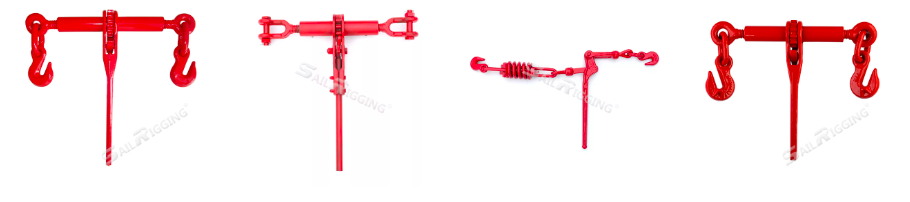
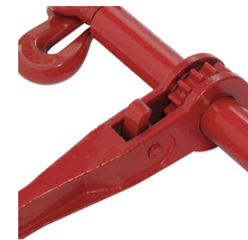
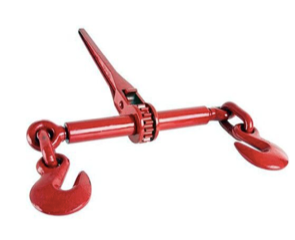
RATCHET LOAD BINDERS
Make transporting heavy goods easier with a wide range of ratchet load binders and chain binders. Our chain binders provide superior tensioning power to make sure your loads remain safe, secure and stable. Our range of chains and binders are durable, easy to operate and compliant with regulations.
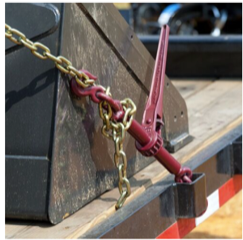
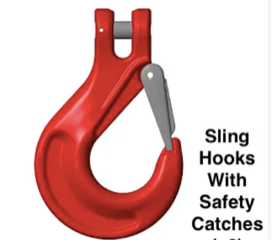
Ratchet load binders have two chains, or attachment points, with hooks at either end. These hooks are used to connect the load binder to the anchor points on the cargo and the trailer/truck. The load binder features a ratcheting mechanism that
allows the user to incrementally tighten the chain or strap, applying tension to the cargo.
The ratchet binder has a handle that can be cranked, providing a mechanical advantage, making it easier to apply significant tension to effectively secure a load. Once the desired tension is achieved, the ratchet binder often has a locking mechanism that keeps the binder in place and prevents it from releasing tension.
We always aim to provide the best quality products, at competitive prices with customer service to match!
How do I choose the right ratchet load binder for my application?
To select the correct ratchet load binder, consider factors such as the type of load being transported, the material (chain or webbing), the maximum weight capacity, and the environment (e.g., exposure to moisture or chemicals). Ensure the binder is rated for the required load and suitable for the specific transport conditions.
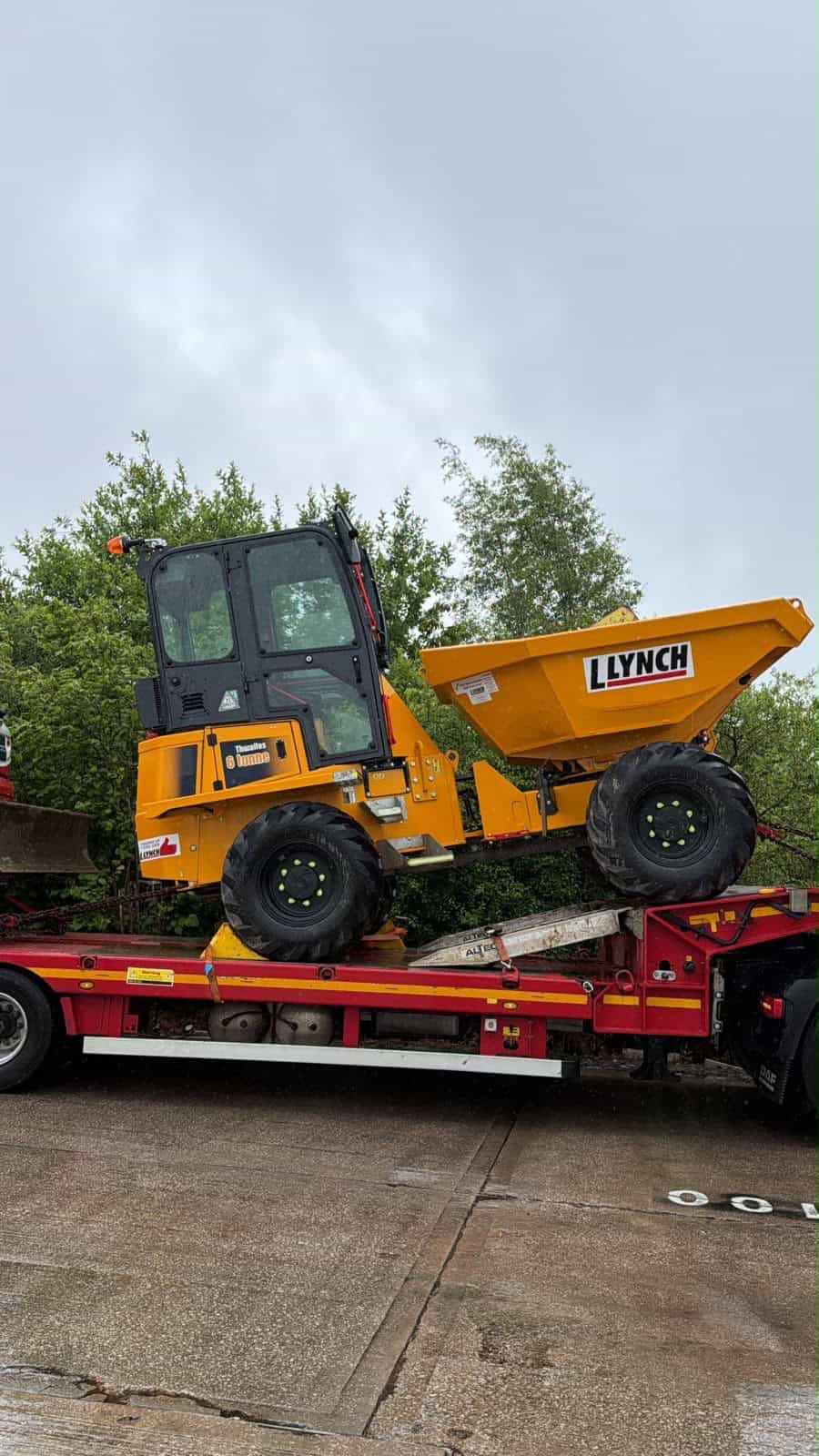
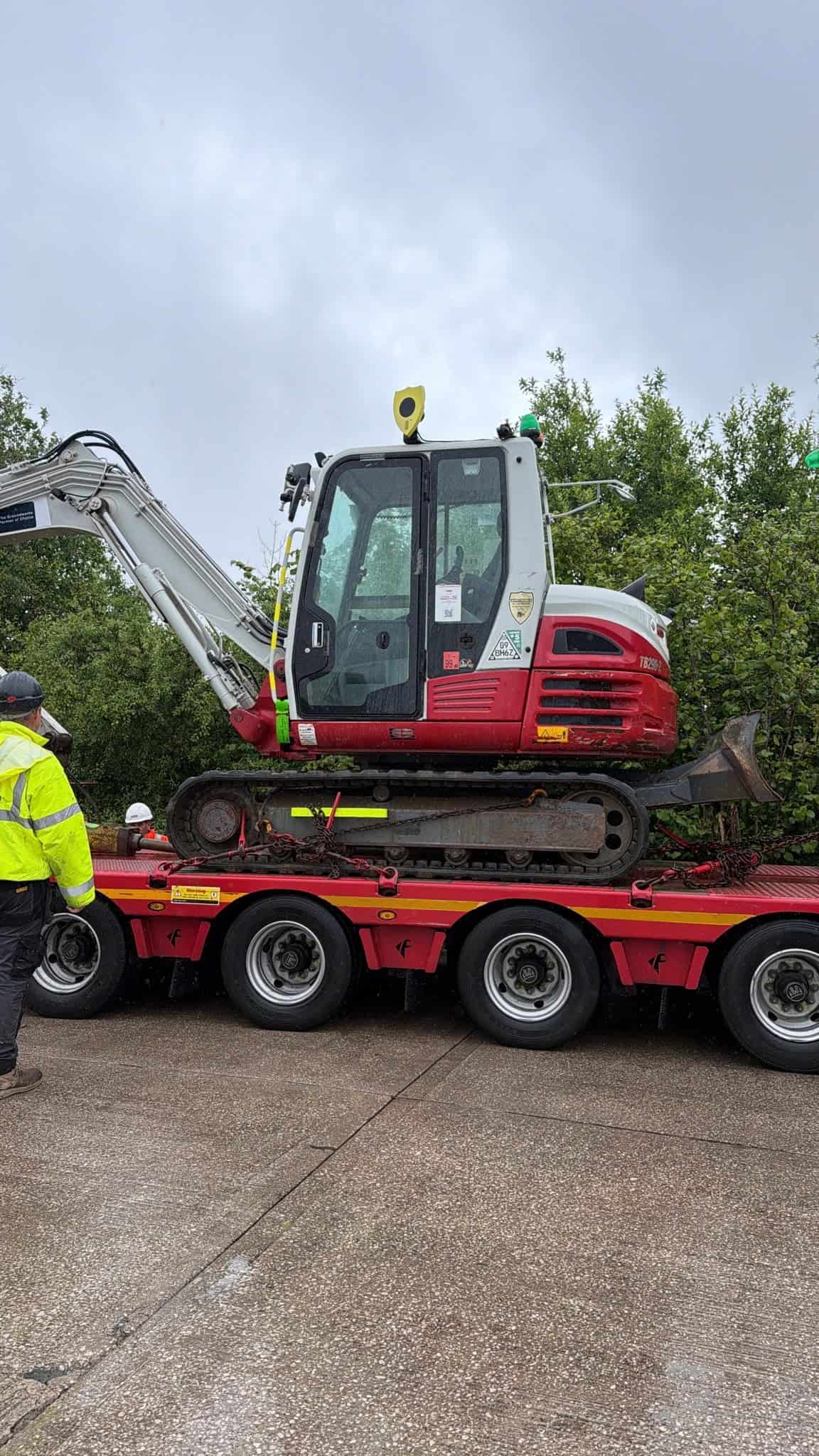
Can ratchet load binders be used for securing heavy machinery? Yes, ratchet load binders are commonly used for securing heavy machinery and equipment during transport. They provide a reliable and adjustable means of ensuring the machinery stays in place, even over long distances or uneven roads. Ensure that the binder's load capacity exceeds the weight of the machinery being transported.
Are ratchet load binders suitable for securing loads in adverse weather conditions?
Yes, ratchet load binders can be used in adverse weather conditions, such as rain or snow, but it's important to choose a model that is rust-resistant or coated for corrosion protection. Stainless steel or galvanized binders are excellent options for environments that experience harsh weather conditions.
Can I use a ratchet load binder for securing irregularly shaped loads?
Ratchet load binders are highly versatile and can be used to secure irregularly shaped loads. Their adjustable tensioning mechanism allows you to apply pressure at different angles and ensure the load is tightly secured, even if it has uneven surfaces or an unconventional shape.
Aim
To provide the theoretical and practical knowledge to safely load and lash vehicles.
Objective
To ensure trainee operator’s meet the required safe standards of operation laid down by ITSSAR, thus ensuring their own safety and the safety of others who may be involved with loading and lashing operations.
Elements
The Load and Lashing of Loads course will comprise of theoretical and practical instruction covering the following:
2.1 Responsibilities under the Health & Safety at Work Act 1974, PUWER 98 & LOLER 98 and relevant parts of The Road Traffic Act. 2.2 Operators safety code of practice.
2.3. Pre-Use checks on equipment and defect reporting. 2.4 The need for Personal Protective Equipment.
2.5 Safe positioning skills.
2.6 Factors affecting stability and instability of loads.
2.7 Lorry loading and unloading.
2.8 Lashing down principles and procedures.
Knowledge
On completion of Loading and Lashing of Loads training, candidates will have a theoretical understanding of the following:
3.1 Responsibilities under the Health & Safety at Work Act 1974, PUWER 98, LOLER 98, & The Road Traffic Act.
3.2 Operator’s safety code of practice.
3.3 Pre-use checks on lashing equipment.
3.4 Factors affecting stability and instability of loads.
3.5 Lorry loading and unloading.
3.6 Personal protective equipment.
3.7 Lashing down procedures and principles.
Skills
On completion of Loading and Lashing of Loads training the candidate will be able to:
4.1 Load and unload the vehicle safely and efficiently.
4.2 Carry out pre-use checks to ensure the equipment is in a safe condition.
4.3 Follow a recognised regime for defect reporting.
4.4 Carry out correct maintenance and storage procedures. 4.5 Secure the vehicle by lashing down the load securely and correctly.
Note: Practical training is determined wholly by the type of lashing down operations involved
e.g. Roping & Sheeting
Curtain Sider
Plant Transportation
Containers
Should you have any questions then please do not hesitate to call. We do not offer any training to members of the public — we only offer training to companies.
Four quick steps — we come back the same working day where we can.
Thank you — we'll be in touch shortly.